If you regularly check weather updates from PAGASA, you’ve probably seen the term “Easterlies affecting the rest of the country.”
But what are Easterlies? And why do they sometimes bring thunderstorms and flooding?
Here’s a clear and simple explanation of what Easterlies mean and how they affect weather in the Philippines.
What Are Easterlies?
Easterlies are winds that blow from the east toward the west.
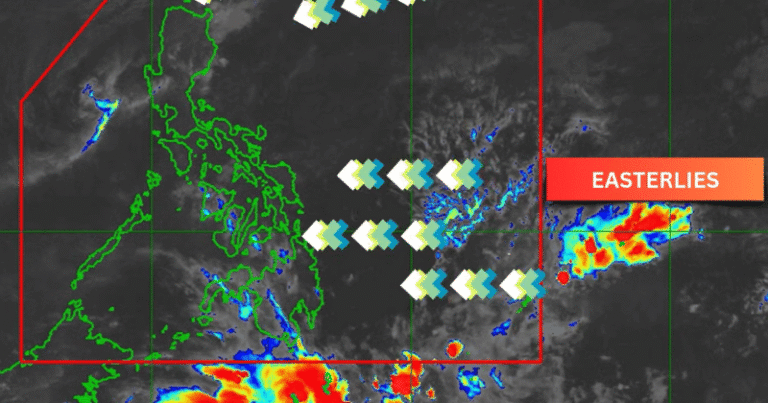
In the Philippines, Easterlies refer to warm and moist winds coming from the Pacific Ocean that move westward across the country.
Because these winds travel over warm ocean waters, they carry significant moisture. When that moisture reaches land, it can form clouds and trigger rainshowers or thunderstorms.
Why Are Easterlies Important in Philippine Weather?
The Philippines sits in the tropical region near the equator. This location makes the country highly influenced by large-scale wind systems, including:
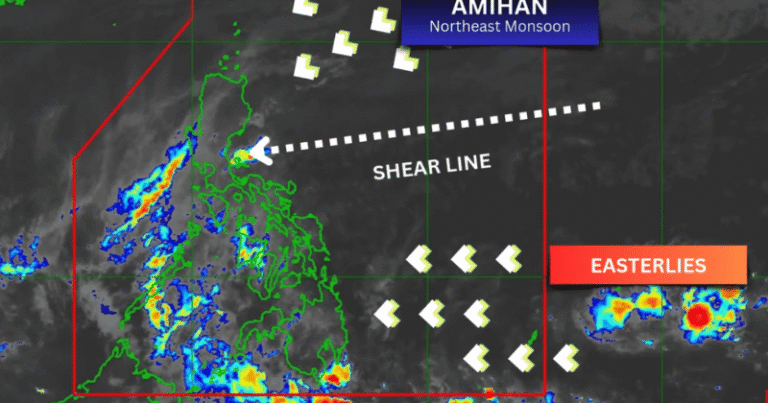
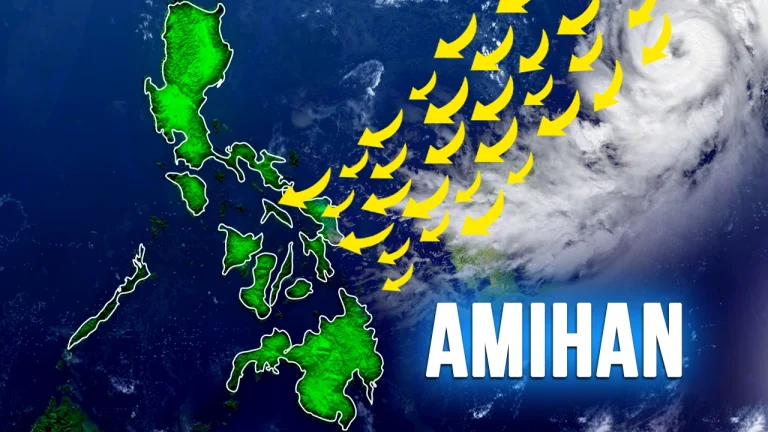
- Amihan (Northeast Monsoon)
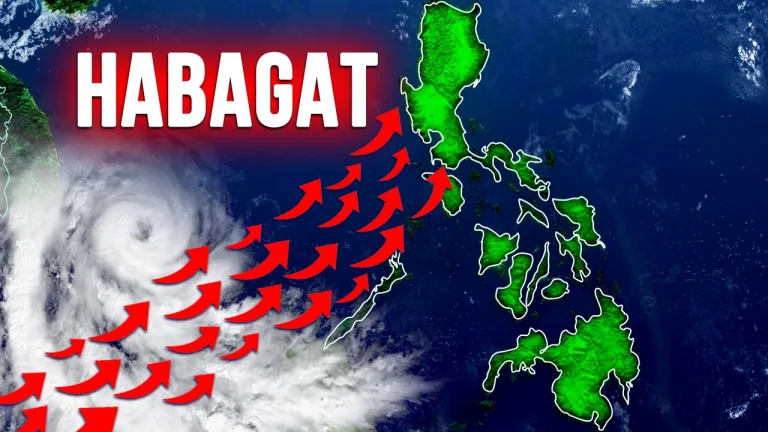
- Habagat (Southwest Monsoon)
- Shear Line
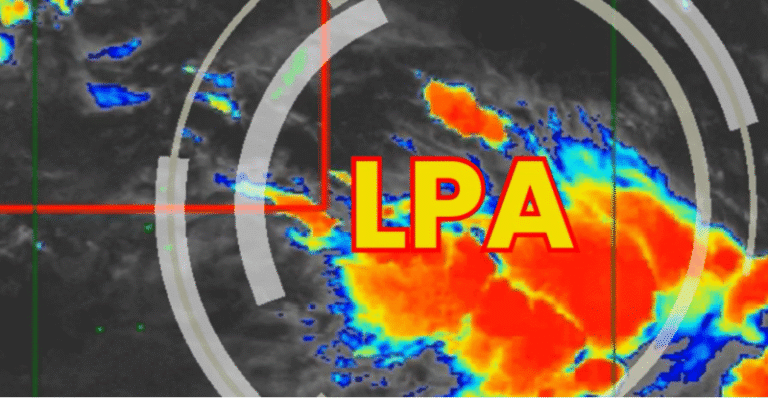
- Low Pressure Areas (LPA)
- Easterlies
Unlike monsoons, Easterlies are not seasonal monsoon winds. They are part of the global trade wind system that continuously affects tropical regions.
When PAGASA mentions Easterlies in a weather bulletin, it usually signals:
- Warm and humid conditions
- Partly cloudy to cloudy skies
- Isolated rainshowers
- Afternoon or evening thunderstorms
Do Easterlies Cause Heavy Rain?
Yes, they can.
While Easterlies are generally normal tropical winds, they can still cause:
- Moderate to heavy localized rainfall
- Flash floods
- Landslides in mountainous areas
This usually happens when:
- Thunderstorms intensify
- Easterlies interact with a Shear Line
- They combine with a Low Pressure Area (LPA)
- They enhance the Intertropical Convergence Zone (ITCZ)
Because the winds come from the Pacific Ocean, eastern parts of the country may experience more frequent rainfall during Easterlies.
Easterlies vs Amihan vs Habagat
Here’s how Easterlies differ from other common weather systems:
Amihan (Northeast Monsoon)
Cool and dry winds affecting Northern Luzon, especially during the dry season.
Habagat (Southwest Monsoon)
Moist monsoon winds bringing widespread rains, particularly during the rainy season.
Easterlies
Warm, moisture-laden winds from the Pacific that cause scattered rainshowers and thunderstorms, often localized.
Easterlies are not as organized as monsoon systems, but they still play a major role in daily weather patterns.
What Should You Watch Out For During Easterlies?
Watch Today’s Weather Update Video
Stay informed with our latest weather update. Watch the full video below to see how today’s forecast will affect your region.
Don’t miss out on the latest updates! If you found this video helpful, be sure to subscribe to our channel for daily weather forecasts and updates.
When Easterlies are active:
- Expect humid and warm weather
- Prepare for sudden afternoon thunderstorms
- Stay alert for flash flood advisories
- Monitor official weather bulletins
Even if the forecast says “partly cloudy,” thunderstorms can still develop later in the day due to heat and moisture buildup.
Why PAGASA Frequently Mentions Easterlies
PAGASA includes Easterlies in its daily weather updates to explain:
- Why thunderstorms are forming
- Why scattered rains are occurring nationwide
- Why some regions experience localized flooding
Understanding the term helps you better interpret daily forecasts instead of just reading the weather condition at face value.
Wrapping Up
Easterlies are warm and moist winds from the Pacific Ocean that move westward across the Philippines. They are part of the tropical trade wind system and often bring scattered rainshowers and thunderstorms, especially in the afternoon or evening.
While not as dramatic as a tropical storm or monsoon, Easterlies can still cause heavy rainfall and localized flooding.
Staying informed about these weather systems helps you prepare better and understand daily forecasts more clearly.